

1.jpg) Attorney Hakan Elçi
Attorney Hakan ElçiA ruling from China has shaken the global trademark law agenda. The Suzhou Intermediate People's Court found that Molly Tea, a popular Shenzhen-based tea chain, had used without permission a logo similar to Louis Vuitton's world-famous four-petal monogram flower, and ordered the company to pay a total of 10.3 million yuan, roughly 1.5 million US dollars.
Of the total award, 10 million yuan was granted for economic losses and 300,000 yuan for reasonable litigation expenses. The court did not stop there: to remedy the negative impact of the infringement, Molly Tea was also ordered to publish a corrective statement on the homepages of its official website and its six official accounts, including Weibo, WeChat, RedNote and Douyin. The company has announced that it will appeal.
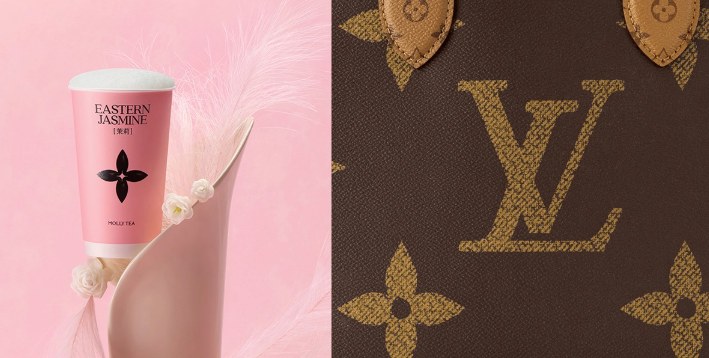
The ruling split Chinese social media in two. One side argues that the four-petal flower pattern is part of China's cultural heritage and that no foreign brand should be able to monopolise it, while the other side maintains that protecting a registered trademark is simply what the law requires. Whichever way the debate goes, the decision sent a powerful message to businesses around the world: using a logo that resembles a well-known trademark can come at a very high price.
What Happens If You Use a Similar Logo in Turkey?
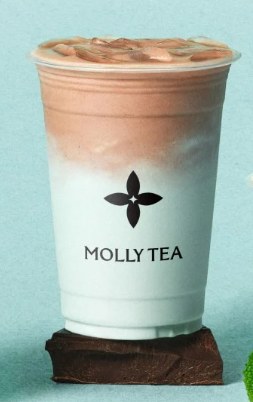
If the same dispute had arisen in Turkey, the outcome would most likely have been no different. The Turkish Industrial Property Code No. 6769 (IP Code) grants the owner of a registered trademark the right to prohibit the use of an identical or similar sign where such use creates a likelihood of confusion on the part of the public.
Under Article 29 of the IP Code, using a trademark or a confusingly similar sign without the owner's consent, selling or distributing goods bearing that sign, or stocking them for commercial purposes all constitute trademark infringement. The critical concept here is the likelihood of confusion: if there is a risk that the average consumer may associate the two signs or the two businesses with each other, infringement is deemed to have occurred even where the sign is not an exact copy.
A trademark owner whose rights have been infringed may bring an action before the specialised Civil Courts of Intellectual and Industrial Property Rights in Turkey and claim the following:
Determination, cessation and prevention of the infringement; material compensation, including lost profits; moral (non-pecuniary) damages; additional compensation for damage to the trademark's reputation; seizure and destruction of the infringing goods and of the equipment used to produce them; and publication of the final judgment at the infringer's expense. The obligation imposed on Molly Tea to publish a statement on its social media accounts has a direct equivalent in Turkish law through this publication mechanism.
Broader Protection for Well-Known Trademarks
Globally recognised brands such as Louis Vuitton enjoy a wider scope of protection than ordinary trademarks. Under Article 6(4) and 6(5) of the Turkish IP Code, well-known trademarks can be protected even in sectors outside the goods and services for which they are registered. In other words, using the logo of a luxury bag brand on a tea chain, a café or a clothing line can be prevented even though the sectors are entirely different, on the grounds that such use takes unfair advantage of the trademark's reputation or harms its distinctive character.
Turkish courts have well-established case law on this point: taking unfair advantage of a well-known trademark's reputation, diluting the mark, or creating the impression of an economic link between the two businesses is sufficient to give rise to liability for damages.
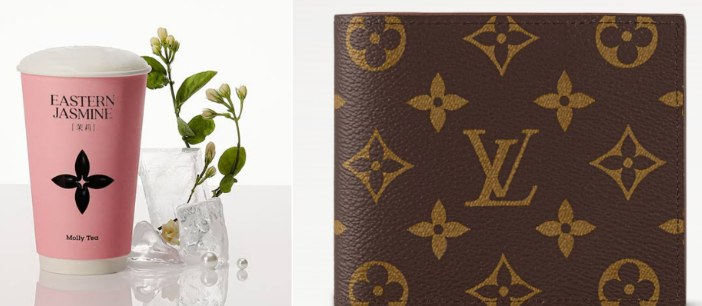
Lessons for Businesses
The most important message of the Molly Tea ruling is this: logo and brand design is not merely an aesthetic choice, it is a serious matter of legal risk management. Every business creating a new brand or logo should do the following:
Have a similarity search carried out at the design stage: the trademark register and the market should be screened for registered marks that could be confused with the intended sign. Avoid drawing inspiration from well-known brands: deliberate imitation may be treated by the courts as evidence of bad faith and can increase the amount of damages. Register your trademark: registration is both the strongest weapon against others using a similar sign and the guarantee that your own use is lawful.
Frequently Asked Questions
Is using a similar logo illegal in Turkey?
Using an identical or confusingly similar version of a registered trademark can give rise to both civil liability (damages) and criminal liability under Article 30 of the Turkish IP Code, which provides for imprisonment from one to three years for trademark infringement. Any use creating a likelihood of confusion can at the very least be the subject of a civil action.
My logo is being used in a different industry. Can I still sue?
If your trademark has reached well-known status, yes; use in different sectors can also be prevented. For trademarks that are not well known, protection as a rule covers use for identical or similar goods and services.
How much compensation can be claimed in a trademark similarity case?
Compensation is calculated on the basis of the actual loss suffered and the profits the owner was deprived of. Lost profits may alternatively be calculated on the basis of the infringer's earnings or a reasonable licence fee. Moral damages and compensation for harm to the trademark's reputation can be claimed in addition.
How can foreign companies protect their trademarks in Turkey?
Turkey is a member of the Madrid Protocol, so international registrations can be extended to Turkey, or a national application can be filed directly with the Turkish Patent and Trademark Office (TÜRKPATENT). Foreign right holders can pursue infringement actions, customs seizures and criminal complaints in Turkey through a local trademark attorney. Monitoring the Turkish market and the register for similar filings is strongly advisable.
How do I check whether my logo conflicts with existing trademarks?
A preliminary search can be run through TÜRKPATENT's online trademark research system; however, similarity assessment is a technical examination with visual, phonetic and conceptual dimensions, so the soundest approach is to obtain a comprehensive clearance report from a trademark attorney before filing.
This article is for general information purposes only and does not constitute legal advice. For questions about trademark registration, clearance searches and trademark litigation in Turkey, you can contact our office; we assist international clients in English.